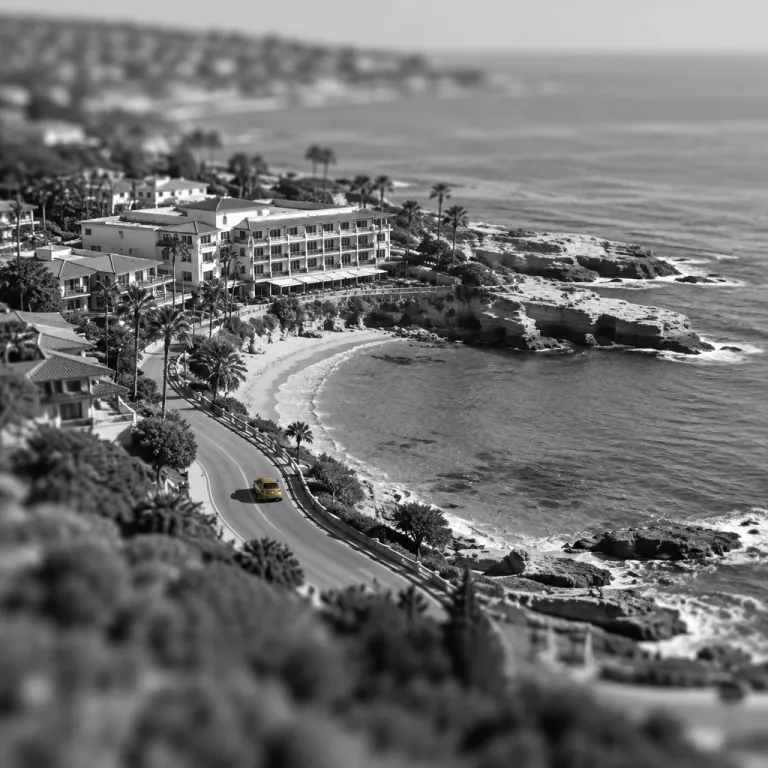
La Jolla Cove directions for hotel guests in San Diego
La Jolla Cove directions start to matter the moment you choose a hotel in San Diego, because your base will shape how easily you reach the coast. From most central San Diego districts, you will reach the cove in about fifteen minutes by car once you leave the I-5 freeway, though that short drive feels very different depending on traffic near Torrey Pines Road and the coastal streets that frame the ocean.
The cove is located at 1100 Coast Blvd in the La Jolla neighborhood of San Diego, and that precise address should be in every traveller’s GPS before they leave the hotel lobby. When you follow the I-5 north or south, the main exits toward La Jolla and the coast are La Jolla Village Drive from the north and La Jolla Parkway, which connects with CA-52, from the south. These routes guide people naturally toward the sea, then down Torrey Pines Road and onto Coast Blvd, where La Jolla Cove, Ellen Browning Scripps Park, and the compact cove beach come into view.
For guests staying in a hotel closer to downtown San Diego, La Jolla Cove directions usually start with a straightforward run on the freeway and a simple turn toward the coast. Visitors coming from a hotel near Mission Valley or the stadium area will often prefer CA-52, which joins La Jolla Parkway and then flows into Torrey Pines Road before dropping toward the ocean. Whichever route you choose, plan extra time for street parking near the cove, especially when low tide and sunny skies bring more people to the water and fill the surrounding blocks.
Driving routes, parking choices, and the final walk to the sea
Once you exit the freeway toward La Jolla, the character of the drive changes quickly as Torrey Pines Road curves downhill toward the coast. Expect heavier traffic on this stretch, because many people heading for La Jolla Shores, the main village streets, and La Jolla Cove all share the same route. Local guidance notes that the distance from the I-5 to the cove is around fifteen minutes in normal conditions, but that timing stretches when beach weather and events fill the coast.
At the bottom of Torrey Pines Road, you will meet a junction that leads either toward Prospect Street and the village or toward Coast Blvd and the water. For the most direct La Jolla Cove directions, follow signs to Coast Blvd, then continue until you see Ellen Browning Scripps Park on your right and the ocean on your left. The park, often simply called Scripps Park, is a green lawn above the cove beach, and it is a useful landmark for orienting yourself when you leave your car or step off the bus.
Parking is the main constraint for hotel guests who drive, so plan a strategy before you leave San Diego. There is limited street parking along Coast Blvd and the nearby cross streets, and these spaces often have time limits that are strictly enforced. Go early to find parking, watch parking time-limits, consider using MTS Route 30 instead of driving, and expect heavy traffic on Torrey Pines Road during peak beach hours.
Some visitors choose to park a little farther from La Jolla Cove, closer to Prospect Street or the quieter blocks above the coast, then enjoy a short walk down to the sea. This approach works well if your hotel is in another part of San Diego and you prefer to avoid circling endlessly for a space near the water. When you plan your day, remember that parking can also be impacted during hotel renovations in the area, which occasionally reduce access to private lots and increase demand for every available street.
From your car or bus stop, the final walk to the cove is part of the experience, with views of the ocean and the rocky cove that make people slow their pace. Families heading toward the children’s pool, officially called Children’s Pool Beach, often follow the paved path along the coast from Scripps Park, watching for sea lions and seals on the rocks below. If you prefer a quieter shoreline, consider combining your visit with a stop at Whispering Sands Beach and read a detailed guide to serene shoreline stays in La Jolla at this in depth Whispering Sands Beach resource.
Public transit, walking options, and how your hotel location shapes the day
Not every visitor wants to drive, and some hotel guests in San Diego prefer to reach La Jolla Cove by public transit. The Metropolitan Transit System operates Route 30, a bus that links central San Diego with La Jolla Village and stops within walking distance of the coast. This option suits travellers who choose a hotel in a more urban neighborhood and want to avoid the stress of parking near the cove beach.
When you ride Route 30, you will typically disembark near Prospect Street or another central stop in La Jolla, then follow clear signs downhill toward the ocean. The walk from the bus stop to La Jolla Cove usually takes around ten minutes, depending on where you start and how often you pause to admire the sea views and village architecture. For many people, this gentle descent through the streets of La Jolla, past cafés and galleries, feels like a natural extension of the coastal experience.
Hotel location in San Diego strongly influences whether you choose to walk, drive, or ride the bus to the coast. Guests staying in La Jolla itself, perhaps near Prospect Street or along a quiet blvd above the water, can often walk directly to Scripps Park and the cove without using a car at all. If you are still deciding where to stay, it is worth reading a guide on choosing the right San Diego neighborhood on the marine layer boundary at this analysis of marine layer neighborhoods, which explains how coastal fog and inland sunshine affect different districts.
For travellers who select a hotel near La Jolla Shores, the walk to La Jolla Cove follows the coastline and offers a different perspective on the ocean. You can stroll along the sand at low tide or use the paved paths that connect the beaches, watching surfers and kayakers explore the sea cave entrances below the cliffs. This route takes longer than the direct streets from the village, but it rewards you with uninterrupted views of the sea and the rugged cove shoreline.
What to expect when you arrive at La Jolla Cove
Stepping onto the paths above La Jolla Cove, you immediately sense why this small inlet is one of the most photographed places in San Diego. The cove is framed by sandstone cliffs, a narrow cove beach, and the wide lawn of Ellen Browning Scripps Park, which together create a natural amphitheatre facing the ocean. Even on busy days, there are quiet corners where people can sit on benches, watch the sea, and listen to the waves.
The wildlife is a major attraction, and many visitors come specifically to see the sea lions and seals that rest on the rocks and swim in the clear water. From the paved paths along Coast Blvd and the railings above the cove, you will often see sea lions playing in the surf while pelicans and cormorants perch on the cliffs. Respectful distance is essential, because these animals are protected, and people should never approach them closely or attempt to touch them.
To the south of La Jolla Cove lies Children’s Pool Beach, a small cove originally protected by a seawall funded by philanthropist Ellen Browning Scripps. Today, this sheltered area is famous for its seal colony, and at certain times of year access to the sand is restricted to protect the animals. The walkway along the seawall remains open, offering dramatic views back toward the main cove and along the coast toward other La Jolla beaches.
North of the cove, the coastline leads toward La Jolla Shores, a long sandy beach that contrasts with the rocky coves near Scripps Park. At low tide, tide pools sometimes appear around the base of the cliffs, revealing sea stars, anemones, and other marine life that fascinate children and adults alike. Always check local tide charts and safety notices before venturing onto wet rocks, because the ocean can change quickly even on calm days.
Several sea cave openings are visible from the paths above the water, and one of the most famous, Sunny Jim Sea Cave, can be reached through a historic tunnel from a nearby shop on the cliffs. Guided kayak tours from La Jolla Shores also visit the sea cave area when conditions allow, giving people a close view of the cliffs and the underwater park that protects the marine environment. These experiences, combined with the simple pleasure of sitting in Scripps Park and watching the changing light on the water, make La Jolla Cove a highlight of any stay in San Diego.
Choosing the right San Diego hotel for easy access to La Jolla Cove
When you are planning a stay in San Diego with La Jolla Cove as a priority, hotel location becomes as important as room style or amenities. Properties in La Jolla Village, especially those near Prospect Street, Coast Blvd, or the surrounding grid of streets, offer the most convenient access to the cove and Scripps Park. From these addresses, you can usually walk to the ocean in a few minutes, avoiding the stress of parking and allowing spontaneous sunrise or sunset visits.
Hotels near La Jolla Shores appeal to travellers who want a broader beach experience while still staying within walking or a short drive of La Jolla Cove. From this area, you can follow the coast north toward Scripps Institution of Oceanography or south toward the cove, choosing between sand and pavement depending on the tide and your energy. Families often appreciate the gentle waves at La Jolla Shores for swimming and kayaking, then make a separate trip to the cove to see sea lions, seals, and the dramatic cliffs.
Staying elsewhere in San Diego, such as downtown, Mission Valley, or near Torrey Pines, can still work well if you understand La Jolla Cove directions clearly before you book. In these cases, look for hotels with easy freeway access to the I-5 and minimal detours to reach La Jolla Village, because that will reduce travel time and simplify your day. A detailed guide to where San Diego families actually want to stay, beyond the theme parks, is available at this resource on family friendly San Diego stays, which can help align your hotel choice with your plans for the coast.
Golfers and nature lovers sometimes choose accommodation near Torrey Pines, where the famous golf course and the Torrey Pines State Natural Reserve sit above the ocean. From this area, the drive to La Jolla Cove follows Torrey Pines Road downhill, offering sweeping views of the sea as you approach the village and Coast Blvd. This combination of inland calm, coastal scenery, and relatively short access to the cove suits travellers who want variety without changing hotels during their stay.
Whichever district you select, confirm how the hotel describes its distance to La Jolla Cove and whether that estimate reflects real driving or walking times. Ask specifically about parking policies, any partnerships with local garages, and the best hours to arrive at the coast to avoid congestion. Clear answers to these questions, combined with your understanding of La Jolla Cove directions, will ensure that your time by the ocean feels effortless rather than rushed.
Practical tips for timing, tides, and planning your La Jolla day
Timing your visit to La Jolla Cove can transform the experience, especially when you are coordinating around hotel check in and other San Diego plans. Early morning and late afternoon usually offer the best balance of softer light, calmer streets, and more available street parking near Coast Blvd and the surrounding blocks. Midday often brings the largest crowds, particularly on weekends and during school holidays, when people from across San Diego County converge on the coast.
Tides play a subtle but important role in what you will see along the shoreline. At low tide, more of the rocky platforms beneath the cliffs are exposed, revealing tide pools and making the cove beach feel slightly larger, though access can still be limited by waves. High tide, by contrast, pushes the water closer to the seawall and paths, creating dramatic wave action but reducing the amount of dry sand available for sitting.
If you plan to explore beyond La Jolla Cove, consider combining your visit with a walk along the coast toward Children’s Pool Beach, La Jolla Shores, or the viewpoints above the sea caves. Each segment of the coastline offers different perspectives on the ocean, from the sheltered cove to the open sands of La Jolla Shores and the rugged cliffs near the sea cave entrances. Bring comfortable shoes for the varied surfaces, from paved paths in Scripps Park to occasional stairs and uneven rocks near the water.
Travellers driving from inland neighborhoods such as those near Pines Road or the higher parts of Torrey Pines should allow extra time for the descent into La Jolla, especially during peak commuting hours. Weather can also influence your plans, because the marine layer sometimes keeps the coast cool and grey while inland San Diego remains sunny and warm. Checking a local forecast before you leave the hotel will help you decide whether to bring layers, sun protection, or both for your time at the cove.
Finally, remember that La Jolla Cove is part of a protected marine reserve, and responsible behaviour ensures that future visitors can enjoy the same unspoiled views and wildlife encounters. Stay on marked paths, respect all signs about sea lion and seal viewing distances, and pack out any rubbish you bring to the park or beach. With thoughtful planning, clear La Jolla Cove directions, and a realistic sense of timing, your day at this small but spectacular corner of the San Diego coast will feel both relaxed and memorable.
Key figures and practical statistics for La Jolla Cove visits
- The drive from the I-5 freeway to La Jolla Cove typically takes about fifteen minutes in normal traffic, according to local guide timing, but visitors should allow at least thirty minutes during peak beach hours.
- La Jolla Cove is located at 1100 Coast Blvd in the La Jolla neighborhood of San Diego, placing it roughly 20 kilometres northwest of downtown San Diego by road.
- MTS Route 30 is the primary bus line serving La Jolla Village and the area near La Jolla Cove, offering a direct public transit connection from central San Diego without the need for parking.
- Street parking near Coast Blvd and Prospect Street is limited and often time restricted, so many visitors choose to arrive before mid morning to secure a space within a short walk of Scripps Park.
- The coastal paths around La Jolla Cove, including the walk between the main cove and Children’s Pool Beach, typically range from 500 to 1 000 metres in length, making them accessible for most reasonably fit travellers.
FAQ about reaching and enjoying La Jolla Cove from your hotel
What is the exact address of La Jolla Cove ?
The official address of La Jolla Cove is 1100 Coast Blvd, La Jolla, CA 92037, which you can enter directly into any GPS or maps application before leaving your hotel. This address brings you to the stretch of Coast Blvd that borders Ellen Browning Scripps Park and overlooks the cove beach and cliffs. Once you arrive, you will see clear paths leading down toward the water and viewpoints along the railings.
Which freeway exits should I use when driving from my hotel ?
Drivers approaching from the north on the I-5 should use the La Jolla Village Drive exit, then follow signs toward Torrey Pines Road and the coast. Travellers coming from the south or from central San Diego usually take La Jolla Parkway, which connects with CA-52 and then becomes Torrey Pines Road as it descends toward the ocean. From there, follow local signs to La Jolla Village and Coast Blvd to reach La Jolla Cove.
Is there a bus that connects central San Diego hotels to La Jolla Cove ?
Yes, MTS Route 30 runs between central San Diego and La Jolla Village, stopping within walking distance of La Jolla Cove. After leaving the bus, most visitors follow Prospect Street or nearby streets downhill toward the ocean, reaching Scripps Park and the cove in about ten minutes on foot. This option is especially convenient for hotel guests who prefer not to drive or search for parking near the coast.
How difficult is parking near La Jolla Cove, and when should I arrive ?
Parking near La Jolla Cove can be challenging, because most spaces along Coast Blvd and the surrounding streets are limited and often time restricted. Arriving early in the morning or later in the afternoon usually offers the best chance of finding street parking within a short walk of the park and cove beach. Always read posted signs carefully, because enforcement is strict and time limits are designed to keep spaces turning over during busy periods.
Can I walk between La Jolla Cove, Children’s Pool Beach, and La Jolla Shores ?
Yes, a network of coastal paths and sidewalks connects La Jolla Cove with Children’s Pool Beach to the south and La Jolla Shores to the north. The walk between the cove and Children’s Pool is short and mostly level, while the route toward La Jolla Shores is longer and may involve stairs or beach walking at low tide. Many visitors plan a half day that combines these walks with time in Scripps Park, wildlife viewing, and a meal in the nearby village streets.
Trusted references for further planning
- San Diego Metropolitan Transit System (MTS) for current Route 30 schedules and maps.
- City of San Diego official website for parking regulations and coastal access updates.
- California Department of Parks and Recreation for information on nearby coastal reserves and marine protected areas.