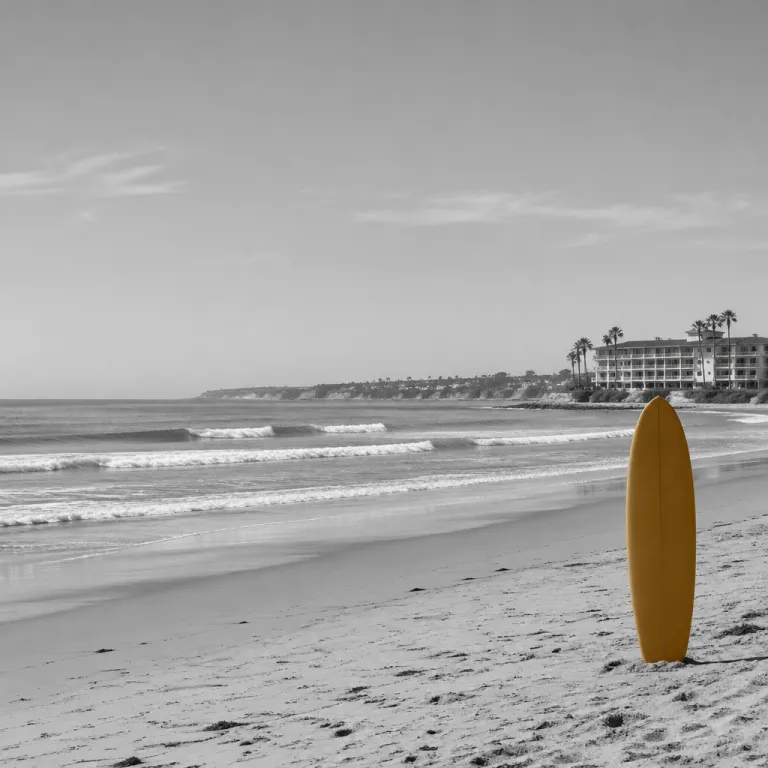
Reading the La Jolla Shores surf report when you are choosing a hotel
The La Jolla Shores surf report is your best friend when you want a beachfront stay that matches your style. When you read a detailed surf report for La Jolla Shores, you can align your hotel booking with the expected swell, wind and tide so your mornings unfold exactly as planned. This simple habit turns a standard stay in San Diego into a carefully timed coastal escape.
Local meteorologists and the National Weather Service build each surf forecast from buoy data, weather station readings and advanced wave models such as NOAA’s WaveWatch III and similar tools used by Surfline and Scripps Institution of Oceanography. That means the La Jolla Shores surf forecast you check before booking is not guesswork; it reflects real measurements of wave height, wave energy and direction period across San Diego County. For hotel guests, this level of precision helps you decide whether you want gentle waves for swimming or more powerful surf for experienced riders.
Current conditions at La Jolla Shores usually feature small, forgiving waves that suit beginners and families. In the dataset used by local surf schools and public sources such as Surfline and Scripps Pier records, the average surf height is around 2.5 ft, with warm water close to 23 °C and a moderate rip current risk level of 2 in San Diego County. One verified answer from local experts states: “Is La Jolla Shores good for beginners now? Yes; small surf and forgiving bank suit beginners.”
When you scan any La Jolla Shores surf report, focus on three lines first. Look at the swell height and wave height in metres, the swell direction such as SSW or WSW, and the wind speed in mph because these three values shape how the waves will feel from your hotel’s stretch of sand. If you plan to surf at sunrise and relax by the pool later, this quick reading of the surf forecast will tell you whether your chosen dates in San Diego will deliver calm, glassy waves or choppy onshore conditions.
Time references in a detailed surf report also matter for hotel guests. You will often see entries such as Wednesday Oct, Thursday Oct or Friday Oct listed with local time stamps like PDT Thursday or Oct PDT, and these help you match check in and check out days with the best surf windows. When you see a mention of Sunday Nov or a specific Saturday Oct in the La Jolla Shores surf forecast, you can confidently extend or shorten your stay in San Diego County to catch the most inviting waves.
How tides, swell direction and Scripps Pier data shape your beachfront stay
Once you understand the basics of a La Jolla Shores surf report, the next step is learning how tide and swell shape your experience on the sand. The tide controls how much beach you have in front of your hotel, how shorebreak waves behave and whether sandbars at La Jolla Shores are exposed or drowned. For travellers choosing a hotel, this means that a high tide at midday can reduce dry sand space, while a mid tide in the morning often creates a more relaxed shoreline for families.
Most detailed reports for La Jolla Shores reference mixed swells arriving from the west and southwest, sometimes labelled as W or SSW in the forecast tables. When the swell direction lines up with the underwater contours near Scripps Pier, wave energy focuses into clean, rideable peaks that appeal to both beginners and intermediate surfers. If the direction period and height direction are poorly aligned, you will see smaller, weaker waves that are better for swimming and paddle practice right in front of your hotel.
Scripps Pier is more than a scenic landmark; it is a scientific instrument that constantly measures wave height, wave period and water temperature for San Diego. Data from Scripps Pier feeds into the La Jolla Shores surf forecast, giving you a reliable picture of how the waves will behave along the entire La Jolla Shores stretch. When you see Scripps Pier mentioned in a surf report, you can trust that the numbers reflect real time conditions only a short walk from many beachfront hotels.
For travellers who plan to hike in the morning and surf in the afternoon, matching the surf forecast with local trail information is especially useful. Before you book, read about how coastal paths influence your hotel choice in this guide to La Jolla hiking trails and San Diego hotel selection. By pairing tide charts, swell direction and Scripps Pier data with trail access, you can choose a property that supports both your surf sessions and your time on the cliffs above the Pacific.
Wind speed in mph is another key line in any La Jolla Shores surf report. Morning hours often bring lighter winds and cleaner waves, while afternoons can see onshore breezes that roughen the surface and reduce surf quality along La Jolla Shores. If you want calm water for stand up paddling or a free experience of gentle swimming with children, prioritise hotels that allow quick access to the beach during those early, glassy windows. Local surfers often aim to be in the water by 7:30 a.m., especially near lifeguard towers 30 and 32, before the breeze picks up.
Choosing the right La Jolla Shores hotel for your surf style
Not every hotel near La Jolla Shores serves the same type of surfer or beach lover. Some properties sit almost directly on the sand, giving you a front row view of the waves and instant access to the shoreline, while others are set slightly back with quieter surroundings and more privacy. Your reading of the La Jolla Shores surf report should guide which of these environments will feel most comfortable during your stay.
If the surf forecast shows small surf with 0.6–1.0 m wave height and long wave periods, a hotel right on La Jolla Shores can be ideal for beginners. You can step out at dawn, check the tide and wave energy with your own eyes and decide whether to join a lesson with local surf schools that specialise in gentle waves. One instructor from a long running La Jolla surf school sums it up simply: “If you can stand in waist deep water here, you can start surfing here.” When the report highlights a moderate rip current risk, you will also appreciate being close enough to lifeguard towers and clearly marked swimming zones in San Diego County.
Travellers who prefer watching waves rather than riding them may want a hotel slightly elevated above the beach. From these vantage points you can observe how the swell wraps around Point Loma, how the cross shore winds develop through the day and how the direction period changes as new swells arrive. Reading the La Jolla Shores surf report each morning becomes part of a quiet ritual, followed by coffee on a balcony overlooking the Pacific in San Diego.
Families often look for a free experience beyond the room itself, and the shoreline at La Jolla Shores provides that value. When the surf report indicates smaller waves and gentle height direction, children can play safely at the water’s edge under supervision, while adults enjoy the relaxed pace of San Diego County’s most accessible beach. For more guidance on matching beach conditions with accommodation, explore this detailed resource on choosing a San Diego hotel near Marine Street Beach.
If you are an intermediate surfer chasing specific conditions, pay close attention to the timing notes such as Wednesday Oct, Thursday Oct or Friday Oct in the surf forecast. When a report highlights a promising Saturday Oct or Sunday Nov with rising swell and favourable SSW direction, consider extending your booking at a hotel that offers flexible check out times. This way you can adapt to the evolving surf report without sacrificing comfort or convenience in San Diego.
Timing your stay around tides, weekdays and seasonal patterns
Booking a hotel in La Jolla Shores is not only about room type and view. The smartest guests also time their reservations around the patterns they see in the La Jolla Shores surf report, especially tide cycles and weekday variations. This approach ensures that your chosen dates in San Diego align with the kind of waves and beach atmosphere you prefer.
Tide plays a central role in how La Jolla Shores feels underfoot and how the waves break along the sandbars. A mid tide often produces the most forgiving waves for learners, while very high tides can push shorebreak right up to the sea wall and reduce dry sand space in front of hotels. When the surf forecast lists exact tide times in local units such as Oct PDT or PDT Thursday, you can match those windows with your planned surf lessons or family swims.
Weekday labels in the surf report, such as Wednesday Oct, Thursday Oct and Friday Oct, also help you anticipate crowd levels. Many local surfers in San Diego County prefer early weekday mornings, leaving weekends like Saturday Oct or Sunday Nov busier with visitors and surf schools. If you value a quieter free experience on the sand, consider arriving midweek when the waves are still shaped by the same swell but the beach feels more spacious.
Seasonal patterns influence both the swell direction and the type of travellers you will meet at La Jolla Shores. During periods dominated by SSW swell, waves can wrap more smoothly into the bay, creating long, rolling lines that suit longboards and soft tops, while winter west swells can send more powerful surf toward Point Loma and other exposed breaks in San Diego. Reading how the direction period and height direction evolve across several days in the surf forecast will help you decide whether to book a hotel focused on family amenities or one that caters more to active surfers.
Water temperature, often measured near Scripps Pier, is another detail worth noting before you confirm your stay. When the La Jolla Shores surf report lists warm water close to 23 °C, many guests are comfortable in short wetsuits or even swimwear, which simplifies packing and makes spontaneous dips in the waves more appealing. If the report indicates cooler water, choose a hotel with easy gear storage so you can manage thicker wetsuits and surfboards without cluttering your room in San Diego.
Linking La Jolla Shores with the wider San Diego coastline
Staying near La Jolla Shores places you within a broader coastal network that stretches across San Diego County. The same swell that creates gentle waves at La Jolla Shores also touches Scripps Pier, Point Loma and other breaks, each responding differently to wave energy and direction period. By reading a regional surf forecast, you can understand how your chosen beach fits into the larger pattern of waves along the San Diego County shoreline.
Many travellers pair a few nights at La Jolla Shores with time closer to the harbour and downtown. If you plan to arrive via major roads or Coronado routes, this guide to harbourfront stays in San Diego can help you balance urban access with beach proximity. Once you understand how the surf report for La Jolla Shores compares with more sheltered harbour areas, you can design an itinerary that alternates between active surf days and calmer sightseeing days.
Regional reports often reference wind speeds in mph, which can differ significantly between La Jolla Shores and headlands such as Point Loma. A moderate onshore breeze at La Jolla Shores might coincide with stronger winds around exposed capes, changing the character of the waves and the comfort level on the beach. When you see these variations in the surf report, you can decide whether to stay put at your La Jolla hotel or explore other parts of San Diego for a change of scenery.
Public transport and short drives make it easy to sample multiple beaches while keeping La Jolla Shores as your base. Because the surf forecast for the region often lists conditions for several days, including Wednesday Oct through Sunday Nov, you can plan day trips to other parts of San Diego County when the La Jolla waves are small. On days when the report promises better wave height and cleaner periods at La Jolla Shores, you simply stay close to your hotel and enjoy the convenience of walking to the water.
For guests who value a free experience of the coastline, this flexibility is a major advantage. You can wake up, check the La Jolla Shores surf report, compare it with regional notes for Scripps Pier and Point Loma, and then decide whether to surf, stroll or drive elsewhere in San Diego. This responsive style of travel turns your hotel into a comfortable hub rather than a fixed commitment to one single stretch of sand.
Practical tips for reading the La Jolla Shores surf report like a local
Locals in San Diego read the La Jolla Shores surf report with a clear routine. They start with the headline numbers for surf height, wave period and swell direction, then quickly scan wind speed in mph and tide times. You can adopt the same method to make smarter decisions about when to leave your hotel room and head for the sand.
First, focus on the combination of wave height and period rather than height alone. A 0.9 m wave with a long period can feel more powerful and organised than a taller wave with a short, choppy period, especially along the gentle slope of La Jolla Shores. When the report shows consistent SSW swell with a steady direction period, expect smoother, more predictable waves that suit lessons and relaxed sessions.
Second, pay attention to how the surf forecast breaks down the day into time blocks such as morning, afternoon and evening. Many reports for La Jolla Shores mention that morning surf is cleaner, with lighter winds and less cross chop, while afternoons bring increasing onshore breezes that reduce wave quality. Align your hotel breakfast and activity plans with these windows so you are not paddling out during the least favourable conditions in San Diego.
Third, use the tide information to choose between surfing, swimming or simply walking the shoreline. A falling tide can expose sandbars that create playful peaks, while a rising tide may soften the waves and push them closer to the sea wall near some hotels. When the La Jolla Shores surf report highlights specific times such as PDT Thursday or Oct PDT, mark those in your itinerary so you can be on the beach when the tide best matches your goals.
Finally, remember that a surf report is a guide, not a guarantee. Conditions can shift quickly, especially when new swells arrive or winds change direction around headlands like Point Loma in San Diego County. By combining the structured information from the La Jolla Shores surf forecast with your own observations from the hotel balcony or the water’s edge, you will develop an intuitive sense of when the waves, weather and beach atmosphere align for your ideal stay.
Key figures for La Jolla Shores surf and beach conditions
- Average surf height in the reference dataset is 2.5 ft, which corresponds to roughly 0.75 m and indicates small, beginner friendly waves at La Jolla Shores during the analysed period (Surfline and Scripps Institution of Oceanography).
- Recorded water temperature near Scripps Pier is about 74 °F, or approximately 23 °C, allowing many hotel guests to surf or swim in lighter wetsuits or even swimwear during warmer spells (Surfline and Scripps Pier records).
- Rip current risk is rated at level 2 on a three level scale, meaning a moderate hazard that justifies paying attention to lifeguard advice and local flags along the La Jolla Shores beachfront (National Weather Service and San Diego lifeguard guidance).
- Typical wave heights of 0.6–1.0 m at La Jolla Shores generate enough wave energy for longboard sessions and surf lessons while remaining manageable for cautious swimmers in San Diego County.
- Onshore winds tend to increase from late morning into the afternoon, which often reduces surf quality and favours early sessions for hotel guests who want the cleanest possible waves at La Jolla Shores.
FAQ about La Jolla Shores surf reports and hotel stays
How should I use the La Jolla Shores surf report when booking a hotel ?
Use the La Jolla Shores surf report to match your travel dates with the type of waves you prefer, focusing on surf height, swell direction and wind speed. If you want gentle, family friendly conditions, look for smaller wave height and moderate periods, then choose a hotel with easy beach access. Travellers seeking more active surf sessions should target days with rising swell and favourable SSW or W directions in San Diego.
Is La Jolla Shores suitable for beginner surfers staying in nearby hotels ?
Yes, La Jolla Shores is widely regarded as one of the most beginner friendly beaches in San Diego County. The gently sloping sand bottom and typically modest wave height create forgiving conditions for first timers and surf school groups. Always confirm the current rip current risk in the latest surf report and follow lifeguard guidance along the shoreline.
What is the best time of day to surf near my La Jolla Shores hotel ?
Morning is usually the best time to surf near La Jolla Shores hotels because winds are lighter and the surface is cleaner. Many reports note that onshore winds increase later in the day, which can make waves choppier and less organised. Check the tide times as well, aiming for a mid tide window that often produces the most user friendly waves.
How warm is the water at La Jolla Shores and what should I pack ?
Water temperatures at La Jolla Shores often sit around 23 °C during warmer periods, based on measurements near Scripps Pier. At this temperature, many visitors are comfortable in short wetsuits or even swimwear for shorter sessions. If you are sensitive to cooler water or visiting outside peak warmth, pack a full wetsuit and choose a hotel with convenient gear storage.
Are there any safety concerns I should know before swimming or surfing ?
The main safety concern at La Jolla Shores is rip currents, which can reach a moderate level even when waves are small. Always read the latest surf report for rip current risk, observe posted signs and swim near staffed lifeguard towers. Hotel guests should also avoid entering the water alone in unfamiliar conditions and consider taking a lesson with local surf schools for added guidance.